The Unseen Struggle of Indian Farmers: Challenges and Remedies
Introduction
Agriculture is the backbone of many economies, providing food and livelihoods for millions.
– However, farmers face numerous challenges that affect their productivity, income, and well-being.
– This highlights key problems faced by farmers and proposes practical solutions.
Problems Faced by Farmers
1. Climate Change and Weather Variability
– Rising temperatures, changing precipitation patterns, and increased frequency of extreme weather events.
2. Soil Degradation and Water Scarcity
– Soil erosion, nutrient depletion, and water scarcity affecting crop yields.
3. Low Market Prices and Market Fluctuations
– Unpredictable market prices, low profit margins, and lack of market access.
4. Limited Access to Credit and Insurance
– Difficulty accessing affordable credit, insurance, and other financial services.
5. Aging Farmer Population and Lack of Skilled Labor
– Aging farmer population, limited youth interest, and shortage of skilled labor.
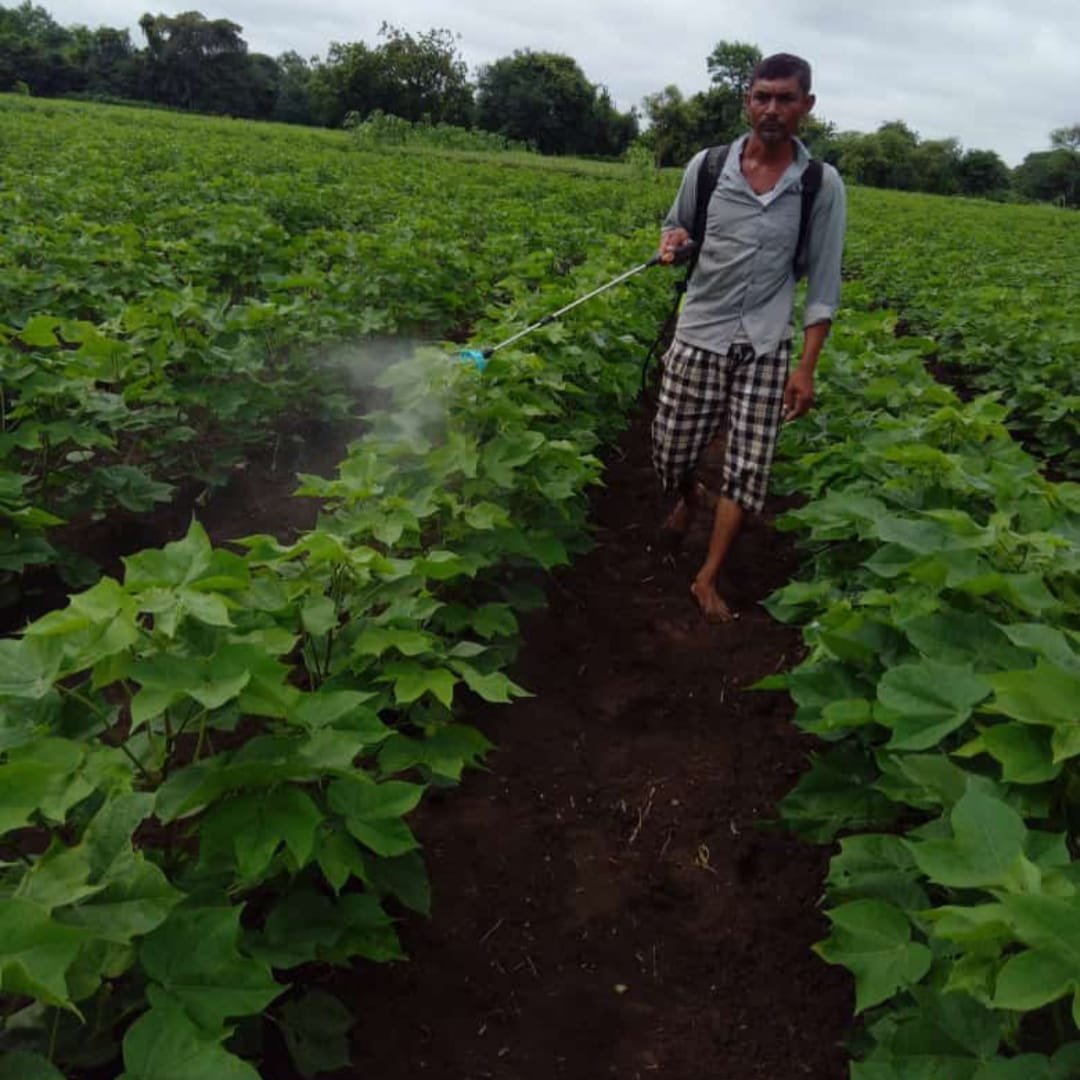
6. Pests, Diseases, and Weeds
– Impact of pests, diseases, and weeds on crop yields and quality.
7. Limited Access to Technology and Extension Services
– Limited access to modern technology, training, and advisory services.
Solutions
Short-Term Solutions:
1. Crop Insurance Programs
– Governments and private sector providing insurance to mitigate climate-related risks.
2. Irrigation and Water Management Systems
– Implementing efficient irrigation systems and water harvesting techniques.
3. Market Support and Price Stabilization
– Governments providing market support, price stabilization, and subsidies.
4. Access to Credit and Financial Services
– Governments, NGOs, and private sector providing affordable credit and financial services.
Long-Term Solutions:
1. Sustainable Agriculture Practices
– Promoting conservation agriculture, organic farming, and agroforestry.
2. Climate-Smart Agriculture
– Implementing climate-resilient crop and animal varieties, and agro-meteorological services.
3. Digital Agriculture and Precision Farming
– Leveraging technology for precision farming, market access, and decision-making.
4. Youth Engagement and Skills Development
– Training and mentoring programs for young farmers, focusing on entrepreneurship and innovation.
5. Research and Development
– Investing in agricultural research to improve crop yields, disease resistance, and water efficiency.
Implementation Strategies
1. Government Support and Policies
– Governments providing enabling policies, regulations, and funding.
2. Private Sector Partnerships
– Collaborations between farmers, private companies, and NGOs.
3. Community-Based Initiatives
– Farmer organizations, cooperatives, and community-led projects.
4. Capacity Building and Training
– Training programs for farmers, extension agents, and other stakeholders.
Conclusion
– Addressing farmers’ problems requires a multi-faceted approach.
– Implementing these solutions can improve farmers’ livelihoods, productivity, and resilience.
– Collaboration among governments, private sector, NGO’s and farmers is crucial for sustainable agriculture development.