Free education for every child
Breaking barriers, building dreams.
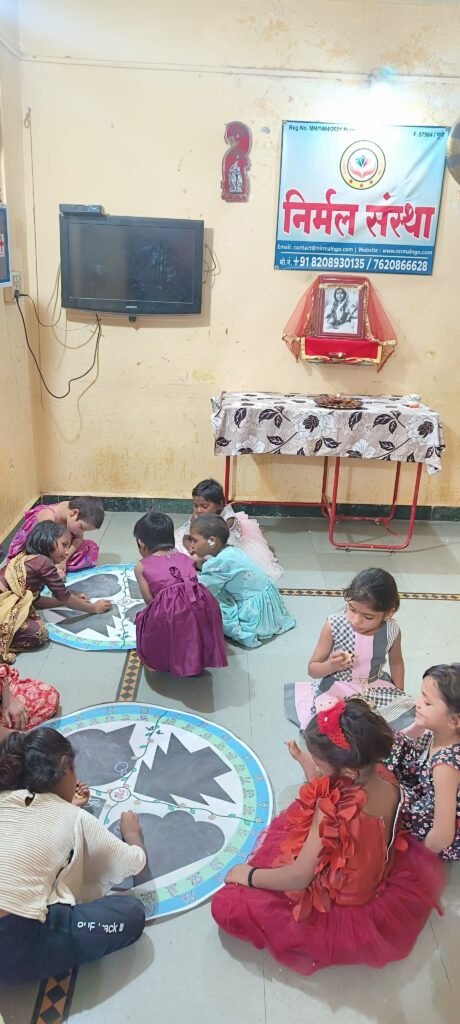
Kisan Foundation dedicated to providing high-quality education to children from underprivileged communities.
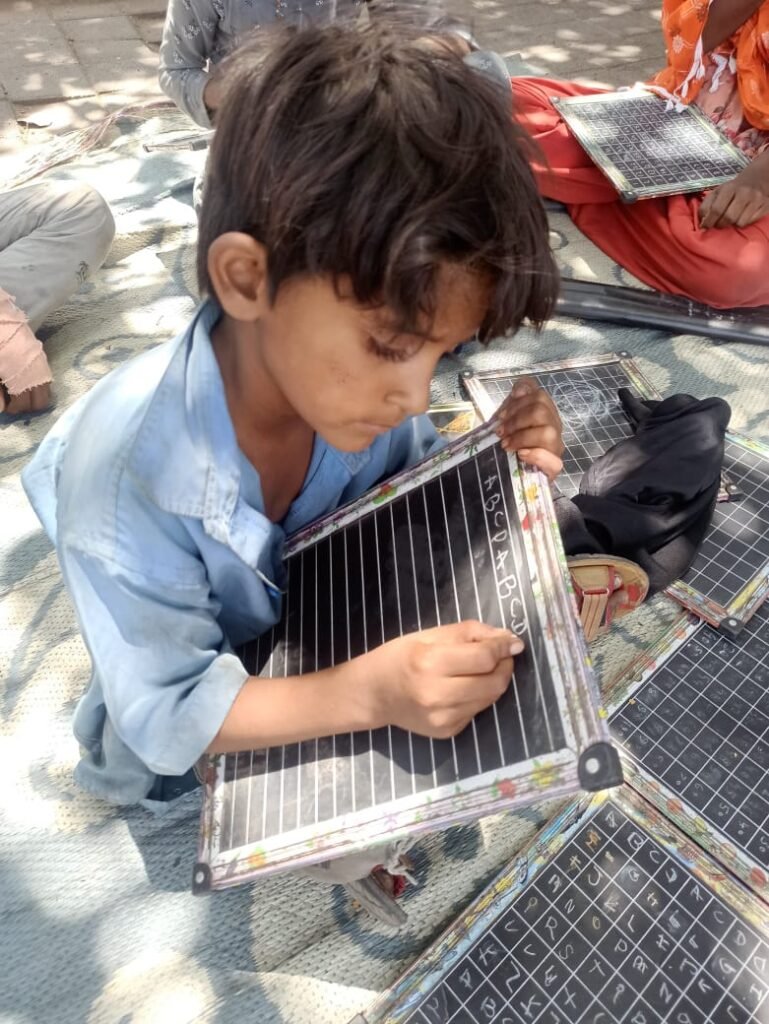
Education is the cornerstone of societal progress, yet countless children in underprivileged communities lack access to even the most basic educational resources. At Kisan Foundation, we believe every child deserves the opportunity to learn, grow, and succeed.
In our journey to make education more accessible, we have partnered with several underprivileged schools in Pune, providing them with essential resources like books, stationery, uniforms, and other educational essentials. These contributions aim to remove the financial barriers that prevent students from fully embracing their education and to create an environment where learning can flourish.
However, our mission doesn’t stop here. Kisan Foundation is committed to reaching more schools and helping even more students in the future. We aim to expand our reach to rural and remote areas where the need is greatest. Our goal is to not only provide material support but also to ignite a love for learning and foster opportunities for a brighter future.
Education is not just a privilege; it is a right. With the support of our donors, partners, and well-wishers, we aspire to bring this right to every child in need. Together, we can pave the way for a more educated, empowered, and equitable society.
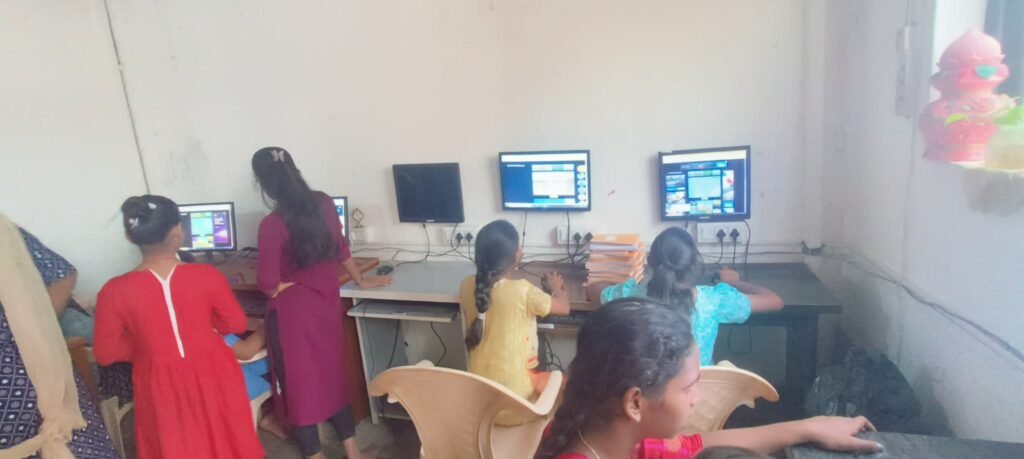
Kisan Foundation also support in providing technology to vulnerable school students can have a significant impact on their educational outcomes and future opportunities. Here are some potential benefits and considerations:
Benefits:
1. Equal access to education: Technology can bridge the gap for students who may not have access to educational resources outside of school.
2. Improved learning outcomes: Digital tools can enhance engagement, interaction, and understanding of complex concepts.
3. Increased digital literacy: Familiarity with technology prepares students for future careers and civic engagement.
4. Personalized learning: Adaptive software can cater to individual learning styles and needs.
5. Access to information: The internet provides a wealth of educational resources, promoting research and critical thinking.
Considerations:
1. Digital divide: Ensure equitable distribution of devices and internet access to avoid exacerbating existing disparities.
2. Cybersecurity: Protect students from online harm with robust security measures andu digital citizenship education.
3. Digital literacy: Provide training for students, teachers, and parents to effectively use technology.
4. Content filtering: Implement measures to block harmful or distracting online content.
5. Sustainability: Develop plans for device maintenance, updates, and replacement.
6. Teacher support: Offer professional development opportunities to integrate technology into curriculum design.
7. Accessibility: Ensure devices and software are accessible for students with disabilities.
8. Monitoring and evaluation: Regularly assess the effectiveness of technology integration.
Potential solutions:
1. 1:1 device programs: Provide each student with a device, such as a laptop or tablet.
2. Computer labs: Establish shared computer facilities for students.
3. Mobile learning initiatives: Utilize mobile devices, such as smartphones or tablets, for learning.
4. Low-cost options: Explore affordable alternatives, like refurbished devices or open-source software.
5. Public-private partnerships: Collaborate with organizations to secure funding, devices, or expertise.
6. Online resources: Leverage free or low-cost educational platforms, like Khan Academy or OpenStax.
7. Digital mentorship programs: Pair students with tech-savvy mentors for guidance and support.
Organizations supporting technology access:
1. One Laptop per Child (OLPC)
2. Computers for Kids
3. Digital Wish
4. DonorsChoose
5. Microsoft’s Affordable Access Initiative
6. Google’s Education Initiative
7. Local non-profits and community organizations
To effectively provide technology to vulnerable school students, consider:
1. Conducting needs assessments to identify specific requirements.
2. Developing strategic plans for implementation and sustainability.
3. Building partnerships with stakeholders, including local businesses and organizations.
4. Providing ongoing support and training for students, teachers, and parents.
5. Monitoring and evaluating program effectiveness to inform future improvements.